














Most people who come to me already have a story. They paid a marketplace freelancer, got a site that looked fine in the screenshots, and then found they couldn't change a phone number without paying again. Or they have a Facebook page doing the heavy lifting and a nagging feeling that it isn't enough. If that sounds familiar, you're in the right place. This page covers website design in Pakistan: the visual side of a site, how it gets planned, what it costs, and how the work actually runs from first call to final approval.
From custom websites to full eCommerce stores Website Design Pakistan Solutions, Islamabad's trusted software house, delivers every web solution your business needs.
100% custom websites built around your brand no templates, no shortcuts, pure craftsmanship for businesses across Pakistan.
High-converting online stores with secure payments, inventory management, and optimized product pages built to sell.
Scalable web applications built with Laravel CRMs, portals, booking systems, dashboards and REST APIs for complex businesses.
Transform your outdated website into a modern, fast, high-converting digital experience that wins customers every visit.
Flexible, powerful WordPress websites custom themes, plugins, and WooCommerce stores built for long-term growth in Pakistan.
Professional Shopify stores that turn visitors into loyal customers custom themes, apps and complete store setup included.
Professional websites for service-based businesses — law firms, clinics, consultancies, agencies and more built to generate leads and build trust.
Custom-built websites for crypto projects, exchanges, token launches, NFT platforms and blockchain businesses secure, fast and Web3-ready.
High-converting MLM and network marketing websites with referral systems, downline tracking, commission dashboards and automated sign-up flows.
From housing societies and hospitals to restaurants, law firms, and eCommerce brands across Pakistan.








The visual planning of a site before anyone writes a line of code.
One thing up front so there's no confusion. This page is about design — the look and layout. The coding that turns a design into a working site lives on the Web Development page, and online stores live on the Ecommerce page. I've kept them separate on purpose, since lumping everything together is how buyers end up paying for things they didn't need.
Website design covers the layout (where things sit on the page), the colour scheme, the fonts and how text is sized, the imagery, and the path a visitor takes from landing on your homepage to picking up the phone or filling a form. Designers call that path the user experience, often shortened to UX. The buttons, menus, and screens a person taps and reads make up the user interface, or UI. Good design makes both feel obvious, so a first-time visitor never has to stop and think about where to click.
How your site looks and how it guides a visitor: layout, colour, type, imagery, and the route toward contacting you. This is the job this page is about.
The part underneath that makes forms send, pages load, and a CMS work. A CMS (content management system) is the admin area you log into to edit your own pages — WordPress is the most common one in Pakistan.
You need both design and development to get a live site. They're two jobs, and pricing each honestly is part of why this site exists. So a website designer decides how your site should look and how it should guide a visitor; the developer then builds it. On smaller projects the same person does both, and here I handle design and pass a clean, ready file to the build stage.
Not a designer disappearing for two weeks and emailing you a finished site. The good ones are a back and forth, and the feedback rounds are where your input shapes the result.
We talk first. I want to know what your business does, who your customers are, what you want a visitor to do, and which sites you like and dislike. A bakery wanting online orders and a property dealer wanting a clean listings page need very different layouts, so this call saves us both guesswork later.
A rough black-and-white outline of each page, no colour or final images. It shows what goes where: heading at the top, services in the middle, contact at the bottom. Approving structure before colour means we fix layout problems early, when they cost nothing to change.
Once the wireframe is signed off, I add your brand colours, fonts, real imagery, and styling. This draft is a mockup — a picture of the finished page, sometimes called a prototype when it's clickable. The first time you see how the site will genuinely look.
You review the draft and send notes. Every project includes a minimum of two revision rounds, so you get real chances to change wording, spacing, colours, and layout. Most clients use one round for big changes and one for fine tuning.
Once you're happy, the approved design moves to the build stage, where it becomes a working site. Nothing gets coded until you've signed off on how it looks, so there are no surprises at launch.
A note from doing this for years: the projects that run late are almost never held up by design. They're held up waiting on content — your logo files, your text, your photos. If you have those ready before the discovery call, a small business site moves fast.
Responsive design means a site reshapes itself to fit any screen, so it reads well on a phone, a tablet, and a laptop without pinching and zooming. I treat this as the default on every project, not a paid extra.
That share shifts month to month, so treat it as a snapshot, but the direction has held for years: the phone is where your customers are. A site designed on a wide monitor and never checked on a phone will look cramped to more than half the people who visit.
So I design mobile first. I work out how each page should look on a narrow phone screen, then expand it for bigger screens, rather than the other way round. It's a small change in order that makes a real difference to how the finished site feels in a customer's hand.
A few of the common ones, with the kind of client each suits.
A plumber, a law firm, a property dealer in DHA who needs a clean listings page. Five to eight pages that explain what you do, show proof, and make it easy to contact you — the bread and butter of small business web design in Pakistan.
Photographers, architects, interior designers, agencies. The design gets out of the way and lets the work fill the screen.
A bakery in Johar Town that wants its menu and prices online, opening hours that are easy to find, and a layout that makes someone hungry. Menu display is design; live ordering is a development job we'd scope on the dev page.
A clinic in Islamabad that wants a calm, trustworthy layout, a visible appointment booking area, and doctor profiles. For health businesses, the design has to feel reassuring before anything else.
For an established firm, the layout leads with trust signals: client logos, certifications, a real team, case studies. The goal is for a serious buyer to feel safe within seconds of landing.
If your business doesn't fit neatly into one of these, that's normal. The discovery call is where we work out the right shape for your specific case.
Every tier covers the design stage only. Prices are PKR ranges as of June 2026 and move with scope — page count, how custom the look is, and how much content writing you need — so read them as a starting point, not a fixed quote.
A template based design starts from a proven layout and gets restyled in your colours and fonts. It's faster and cheaper, and it suits a business that needs a clean, working site without a one-of-a-kind look. A custom design is drawn from a blank page around your brand and your customers, so nothing else looks quite like it. It costs more and takes longer, and it's the right call when your brand and your competition demand it.
Neither is "better." The honest answer depends on your budget and how much your look needs to stand apart, and I'll tell you straight which one fits your case on the call. Ecommerce design is its own thing, with product pages, cart, and checkout screens to plan — the full breakdown, including which payment options suit a Pakistani store, sits on the Ecommerce page.
See the Ecommerce pagePlenty of the work I do is redesign, not building from zero.
Maybe your current site looks dated, reads badly on a phone, or you've simply outgrown it. A redesign keeps what works — your content, your brand, your domain — and rebuilds the look and layout around it. We start the same way, with a discovery call and a wireframe, except now I have your existing site as a reference for what to keep and what to drop.
If your old site was built somewhere you can't access or edit, part of my job is handing you proper control of the new one.
Website design covers the visual plan of your site: the layout of each page, your colour scheme, fonts and text sizing, imagery, and the route a visitor takes toward contacting you. It includes a wireframe (the rough structure), a styled visual draft, and your revision rounds, ending in an approved design ready to be built. It does not include the coding, hosting, or domain registration — those sit under web development. I define each of those terms in plain language on the call so you always know what you're paying for.
Yes, every time. You see a wireframe first, then a full visual draft in your brand colours, and nothing gets coded until you've approved how it looks. The whole point of the wireframe and draft stages is that there are no surprises at launch. You're signing off on the look before the build starts.
Every project includes a minimum of two revision rounds, and the Business and Ecommerce packages include more. A round means you send your notes and I make the changes together, rather than charging per tweak. Most clients spend one round on bigger changes and one on fine tuning. If a project needs heavy reworking beyond the included rounds, I'll tell you before any extra cost, never after.
A template design starts from a proven layout and gets restyled in your colours and fonts. It's faster, cheaper, and good enough for many small businesses. A custom design is drawn from scratch around your brand, so it looks like no one else's, at a higher price and a longer timeline. The right choice comes down to budget and how much your brand needs to stand apart, and I'll give you an honest recommendation rather than pushing the pricier option.
Yes. A redesign keeps your content and brand and rebuilds the look and layout around them, on a phone-friendly, current design. If you can't currently edit or access your old site, sorting out proper login handover is part of the job, so you finish owning and controlling your own site.
As of June 2026, a template-based Starter design runs roughly Rs 25,000 to Rs 50,000, a custom Business design roughly Rs 70,000 to Rs 180,000, and Ecommerce design from about Rs 150,000 depending on the store. Final price depends on page count, how custom the look is, and content needs. These are snapshots and can change, so the call gives you a firm number for your scope.
Real websites built for real businesses from housing societies to ecommerce stores, clinics to corporates.

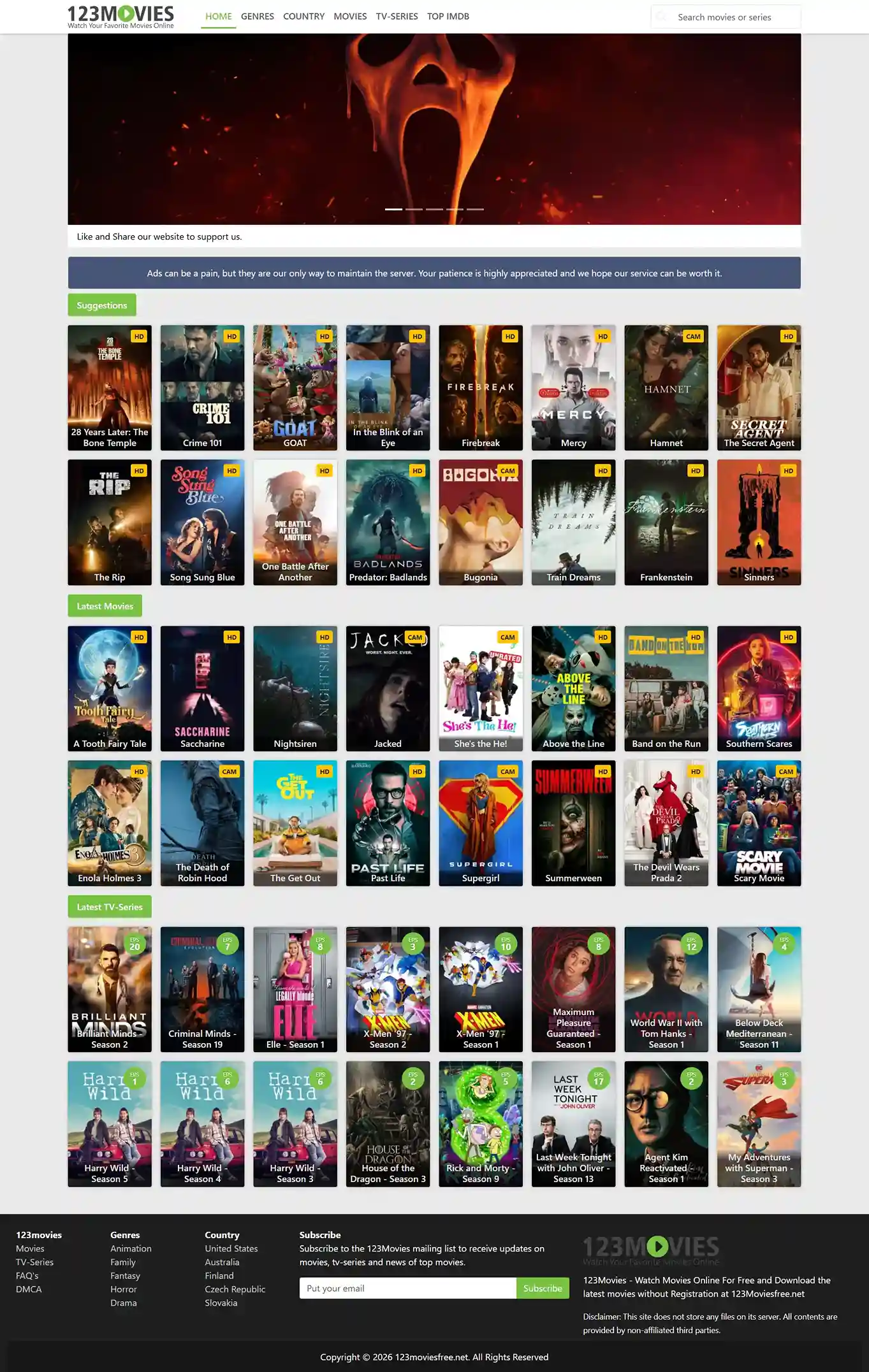
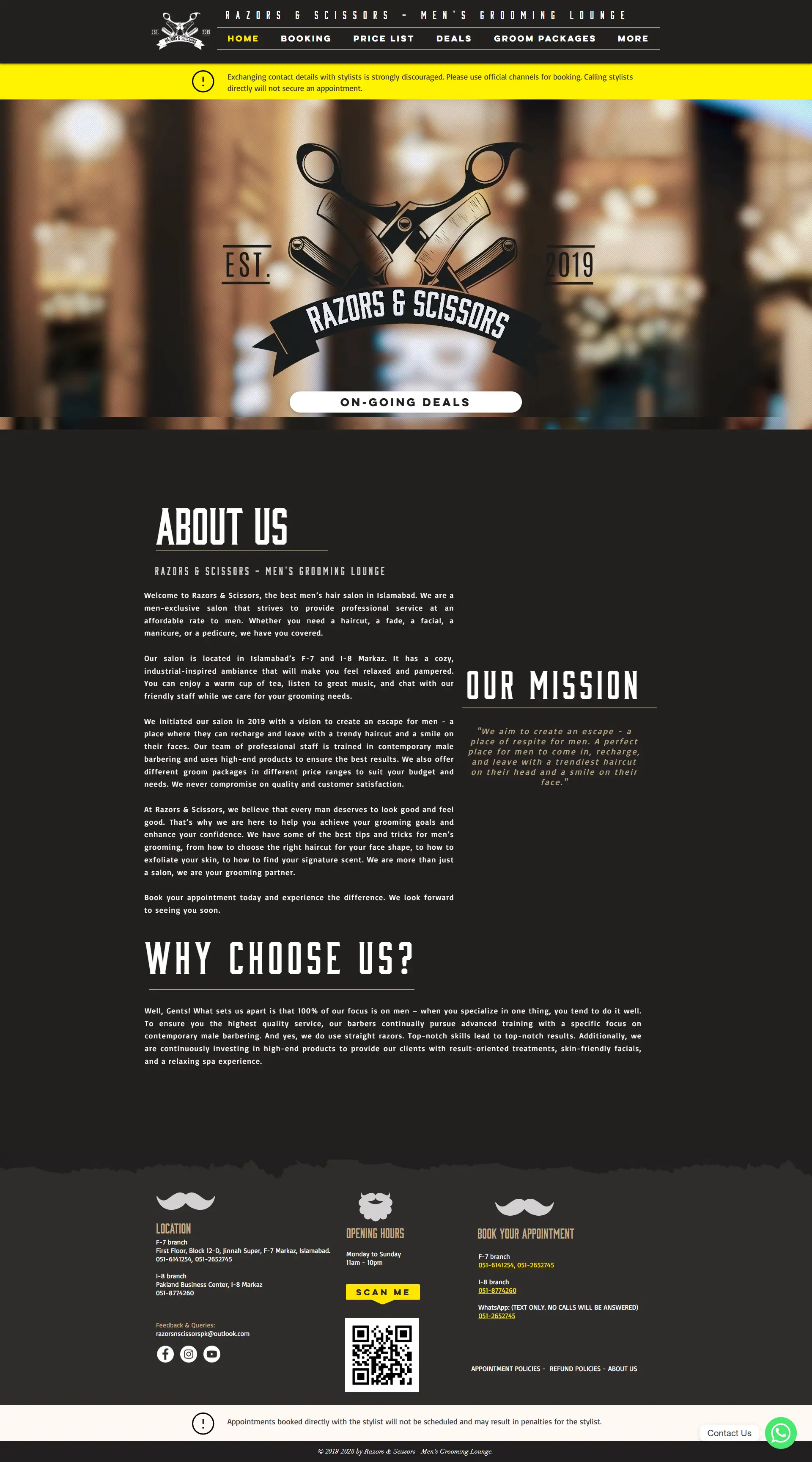
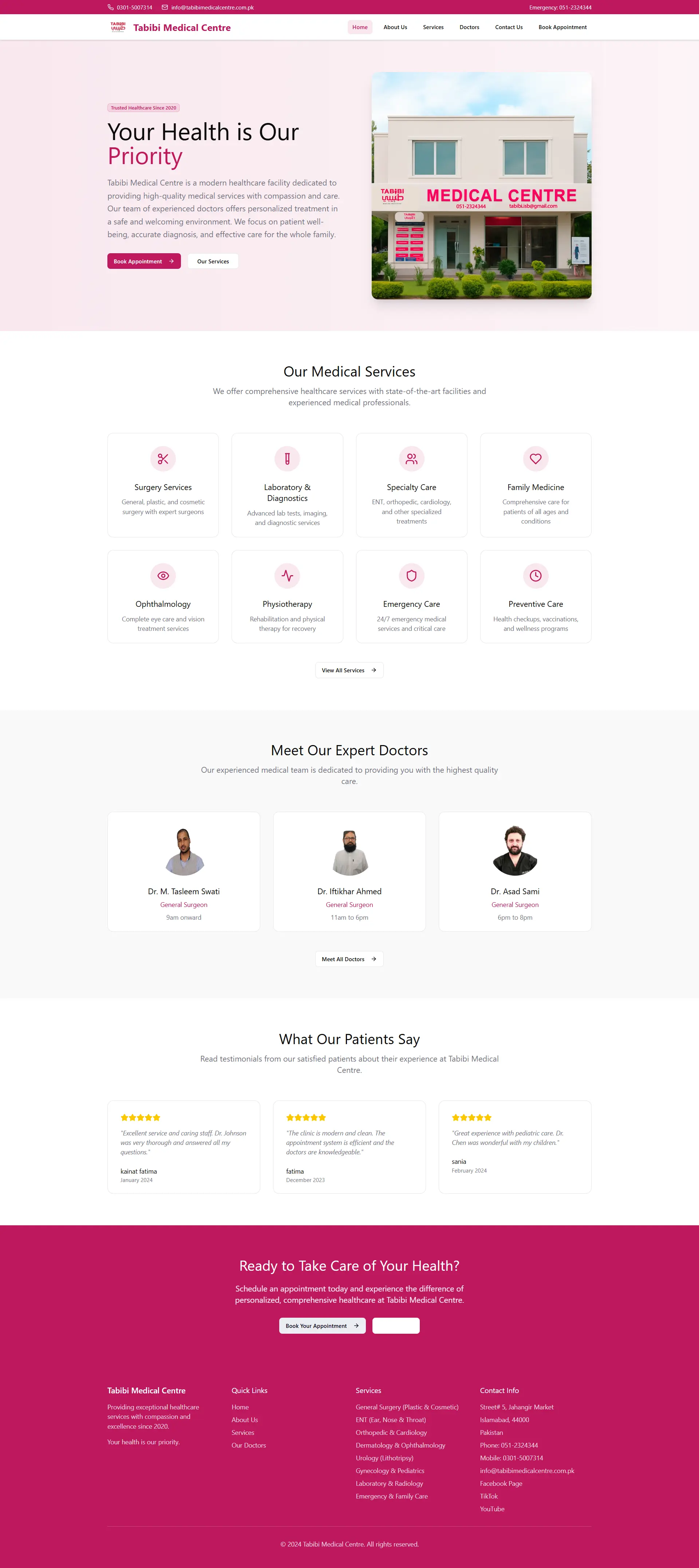
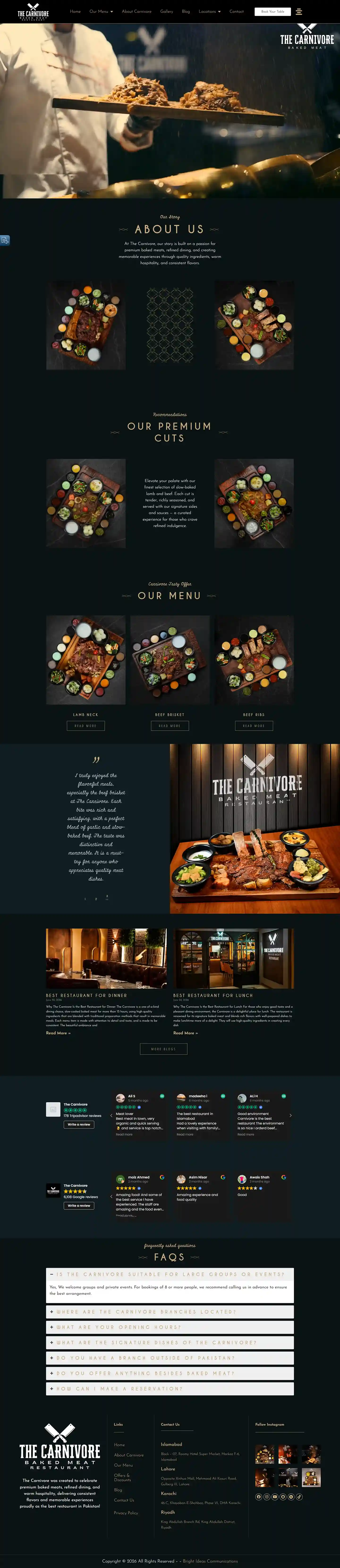



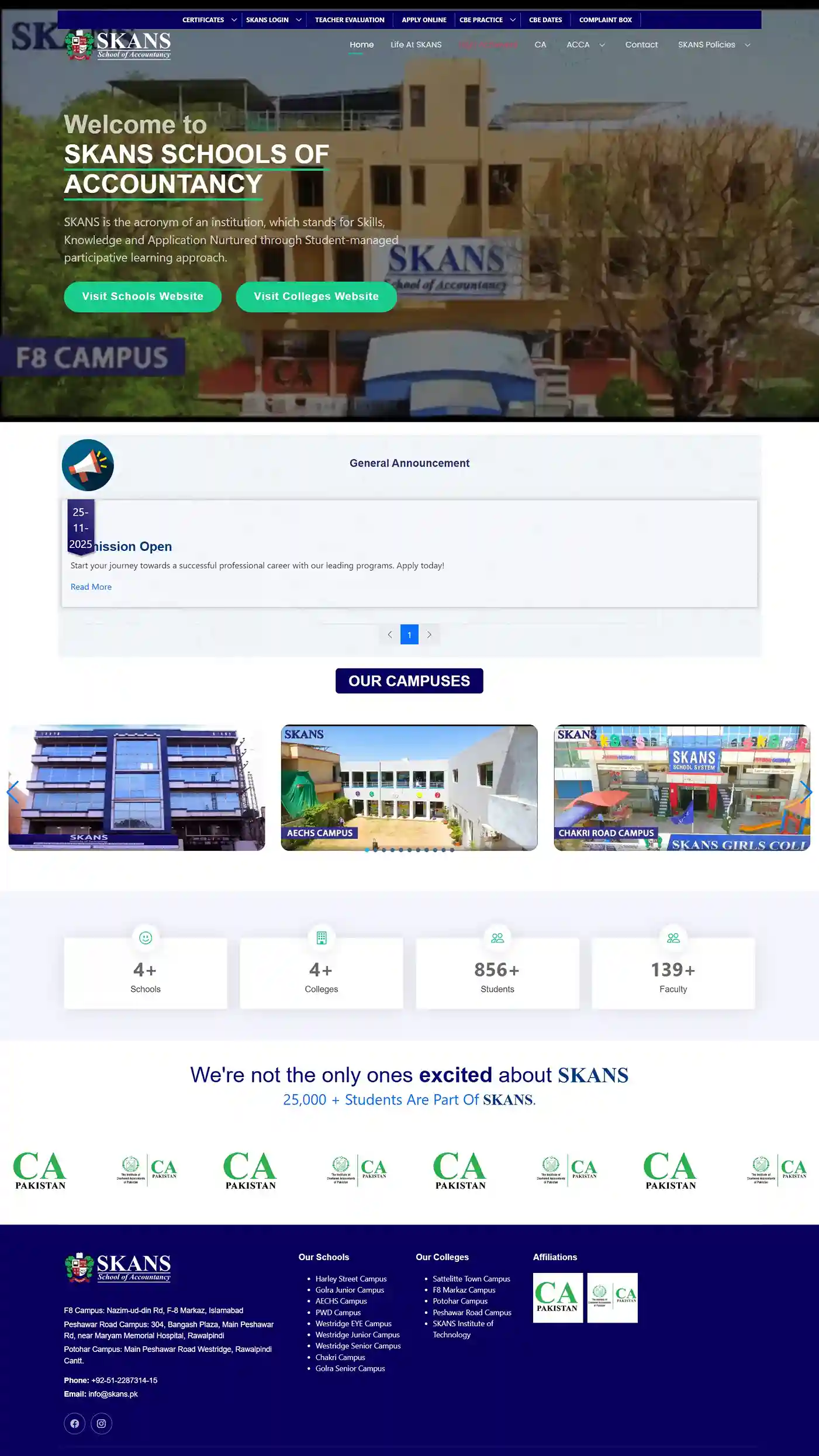
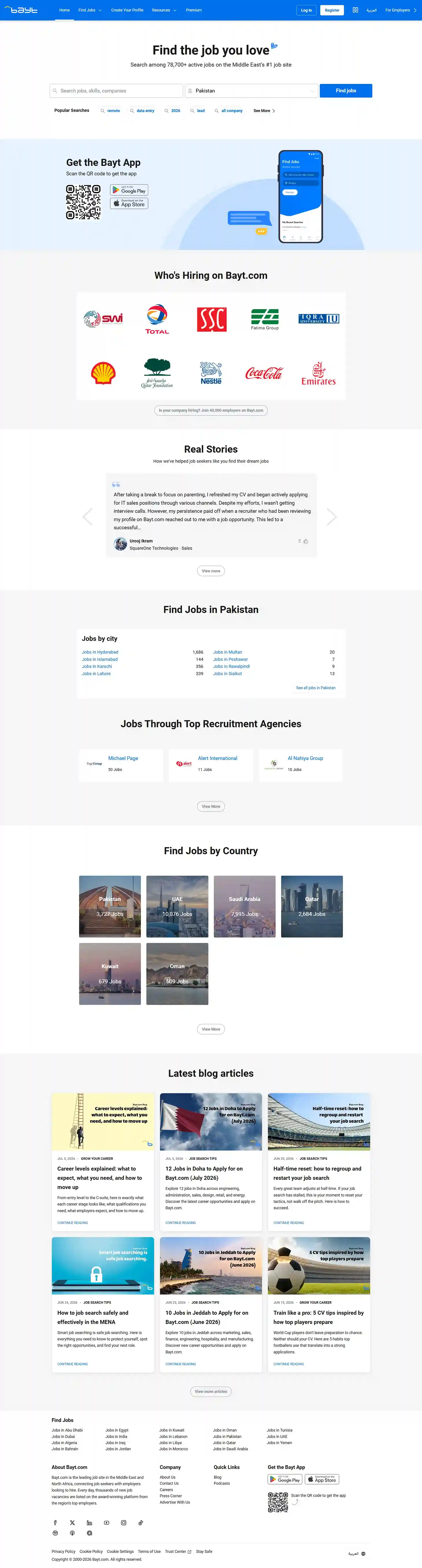
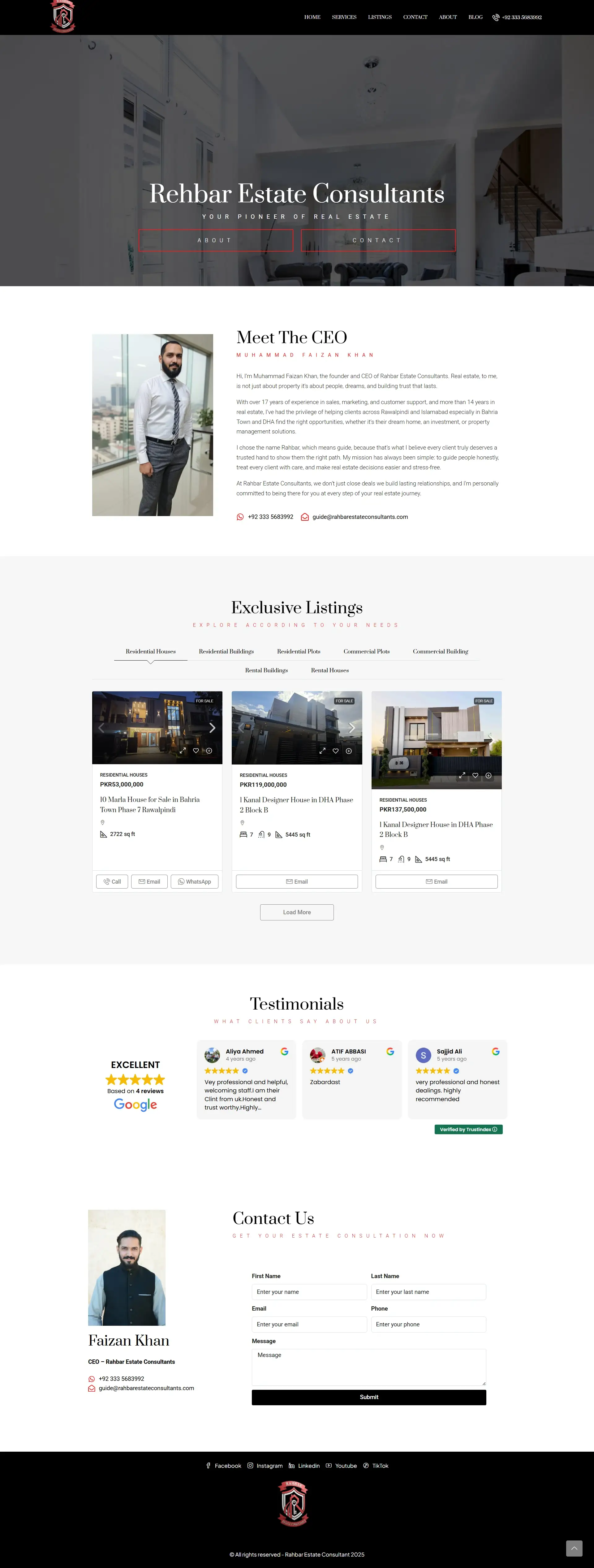
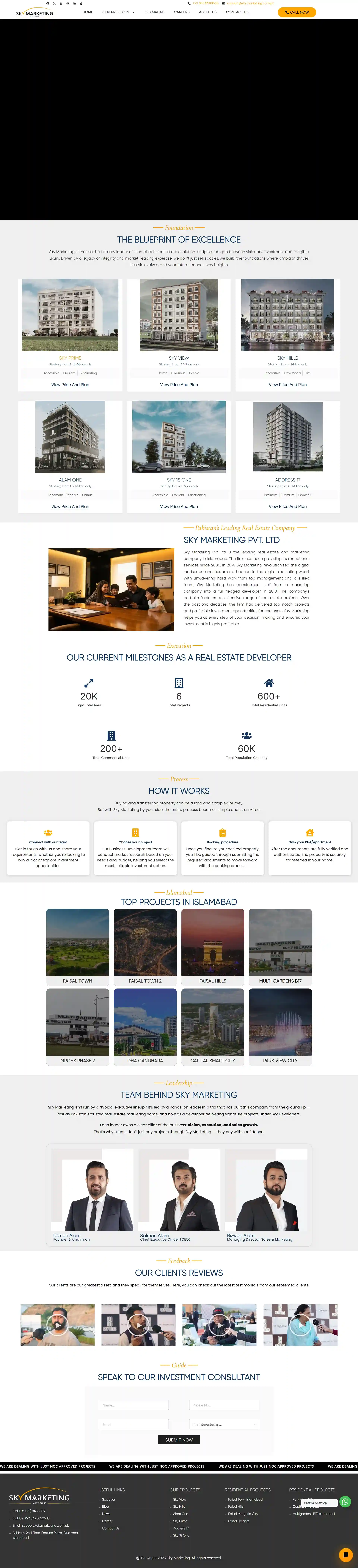



Transparent pricing, no hidden charges. All packages include responsive design, SEO setup & free support.
Perfect for startups & small businesses
Ideal for growing businesses & brands
For enterprises & large organizations
Keep your website fast, secure and always updated. Our maintenance plans cover everything your site needs to stay healthy every single month.
We don't just build websites we build digital growth engines. With 2,500+ websites launched and 2,800+ happy clients across Pakistan, our track record speaks for itself.
Every website we build is designed to convert visitors into customers not just look good. We focus on speed, UX, and SEO from day one.
We respect deadlines. With 19+ projects ongoing at any time, our proven process ensures your project is delivered on schedule without compromise.
Built with best-in-class security practices. Your website scales with your business and stays protected 24/7 with our maintenance plans.
Based in Islamabad, we understand the Pakistani market while delivering websites that compete on an international level in design and performance.
Direct communication with your development team no call centres, no delays. Just fast, responsive support when you need it most.
The agency you choose can make or break your online presence. Here's the honest difference between choosing Website Design Pakistan Solutions and settling for less.
2,800+ businesses trust Website Design Pakistan. Here's what a few of them say.
"We'd been burned by a freelancer before connecthammad rebuilt our site. The difference was night and day, and they actually answer the phone when something comes up."
 Posted on Google
"The experience with ConnectHammad was completely different from our last freelancer. They delivered exactly what we needed, kept us informed, and are always just a phone call away."
Posted on Google
"Our clinic's online bookings picked up within two months of the SEO work starting. They explained what they were doing in plain language instead of jargon I couldn't follow."
Posted on Google
"Excellent service. Transparent pricing, and the team really understood what our business needed. . They actually answer the phone when something comes up." Highly recommend!"
Posted on Google
Tell us about your project and we'll get back to you within 24 hours with a detailed proposal. No obligation, completely free.